Scope of project:
• Shop Drawings.
• Supply & Installation
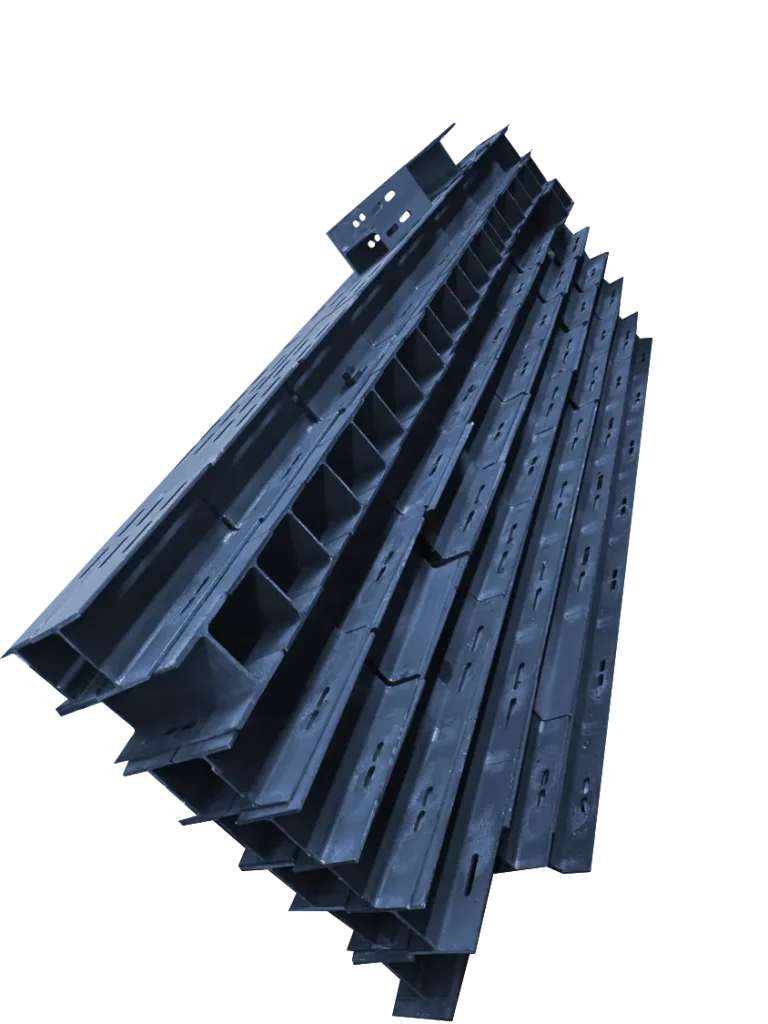
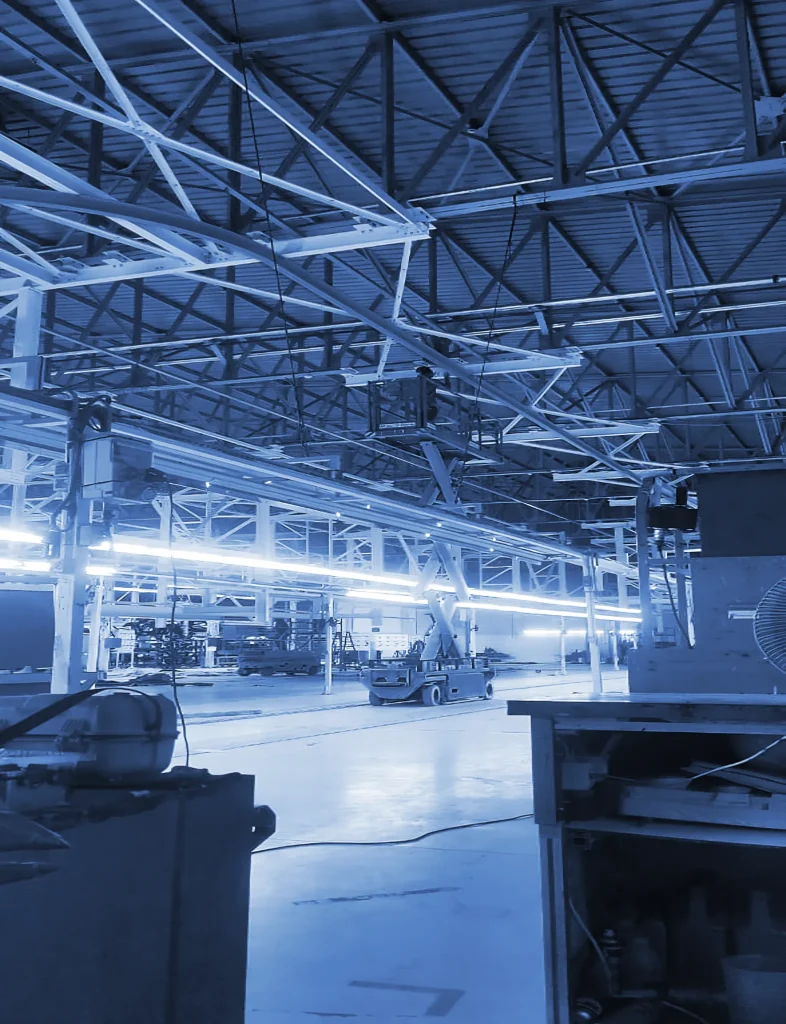
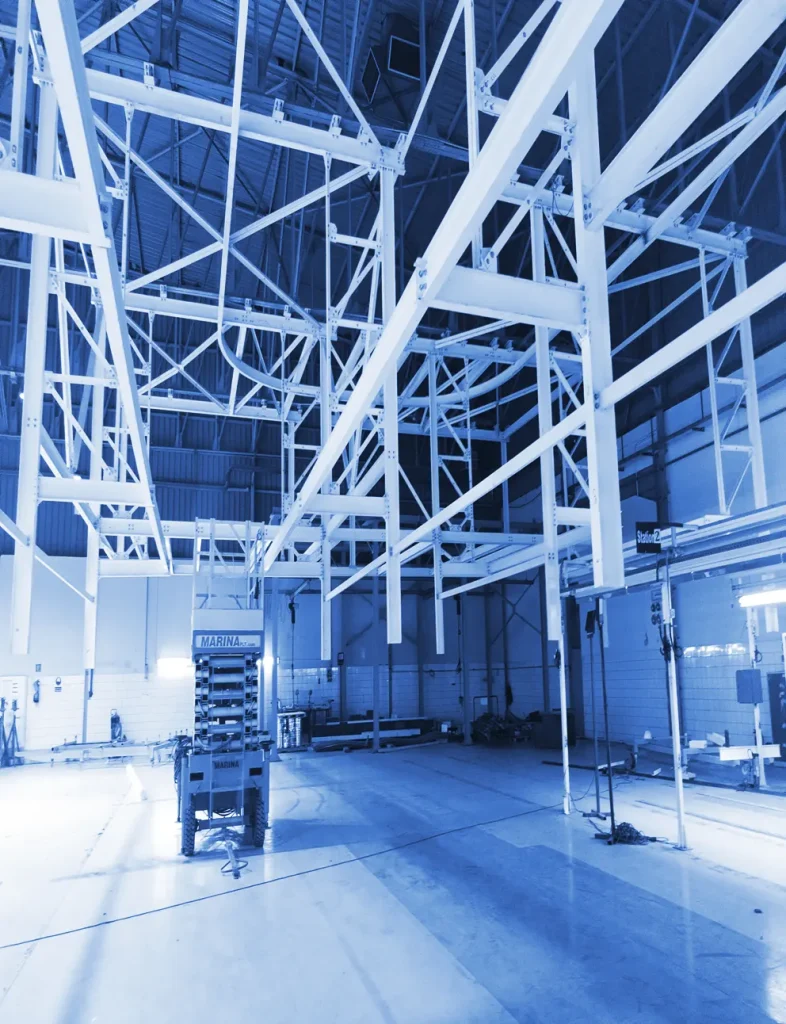
Steel Trusses
Client: Egyptian German Auto motives Co. EGA
Tonnage: 45 Ton
Location: 6th of October 4th Industrial Zone.

Project Constraints
Space Constraints: Trusses can be bulky, especially if they span long distances. Ensure that the available space in the factory allows for the installation of trusses without obstructing other equipment or
workflow.
Load-Bearing Capacity: Trusses must support the intended loads (such as
machinery, materials, or workers). Calculating the load distribution and designing trusses accordingly is crucial. Consider dynamic loads, too, if machinery or materials move across the trusses.
Connection Details: Properly connecting truss members (nodes, joints, and chords) is critical. The choice of fasteners, welds, or other connection methods impacts overall stability
Initial Challenges
Design Complexity: Truss design involves intricate geometry and engineering principles. Balancing aesthetics, functionality, and structural stability requires
expertise.
Material Selection: Choosing the right material for trusses (e.g., steel, timber, or composite materials) affects their performance. Each material has unique properties related to strength, weight, and cost
Solution
Optimized Space Utilization : Designed trusses to fit within factory constraints, ensuring no disruption to equipment or workflow.
Load-Bearing Engineering : Calculated precise load distribution, including static and dynamic loads, to guarantee structural stability.
Secure Connection Details : Implemented high-strength fasteners and precision welding techniques for enhanced durability and safety.
Efficient Design & Material Selection : Chose steel for its optimal strength-to-weight ratio, balancing performance, cost, and longevity.
Streamlined Fabrication & Installation : Used prefabricated truss sections for quick assembly, reducing on-site labor and installation time.